
Gravel riding sits somewhere between road cycling and mountain biking, and the kit problem reflects that. Your road kit mostly works on gravel. Mostly.
The issues tend to show up when you're 80 kilometres into a ride, 40 kilometres from the nearest road, and something about your kit stops working in a way it wouldn't on tarmac. A jersey pocket that doesn't hold enough. Shorts that aren't quite right for three hours in the saddle on rougher terrain. Kit that handled a road century without complaint starts to show cracks on a gravel route that throws more at it.
Here's what to look for in gravel-specific kit, where road kit holds up fine, and where it's worth thinking differently.
Why Gravel Riding is Different for Kit
The differences between road and gravel riding come down to a few specifics: longer time in the saddle, more variable conditions, greater self-sufficiency requirements, and more physical movement on the bike.
On a road ride, you're mostly in one position for extended periods. On gravel, you're moving around the bike more, getting out of the saddle on loose climbs, absorbing rough descents, and shifting your weight constantly. Kit that fits correctly in a static road position may shift around more than you'd like when you're bouncing along a fire road at speed.
The self-sufficiency side matters too. Gravel routes often take you further from support than road routes do. You're carrying more: food, tools, a rain layer, maybe a light pack if you're doing overnights. That puts more demand on storage, and on kit that can hold up to a longer and harder day.
Bib Shorts: The Most Critical Piece
If you're going to spend money on gravel-specific kit, spend it on bib shorts.
The chamois matters more on gravel than on road. You're in the saddle longer (most gravel rides run longer in hours than the equivalent road distance), the terrain is rougher, and the vibration through the contact points is constant. A chamois that works fine for two hours on tarmac might start to feel inadequate at hour four on mixed terrain.
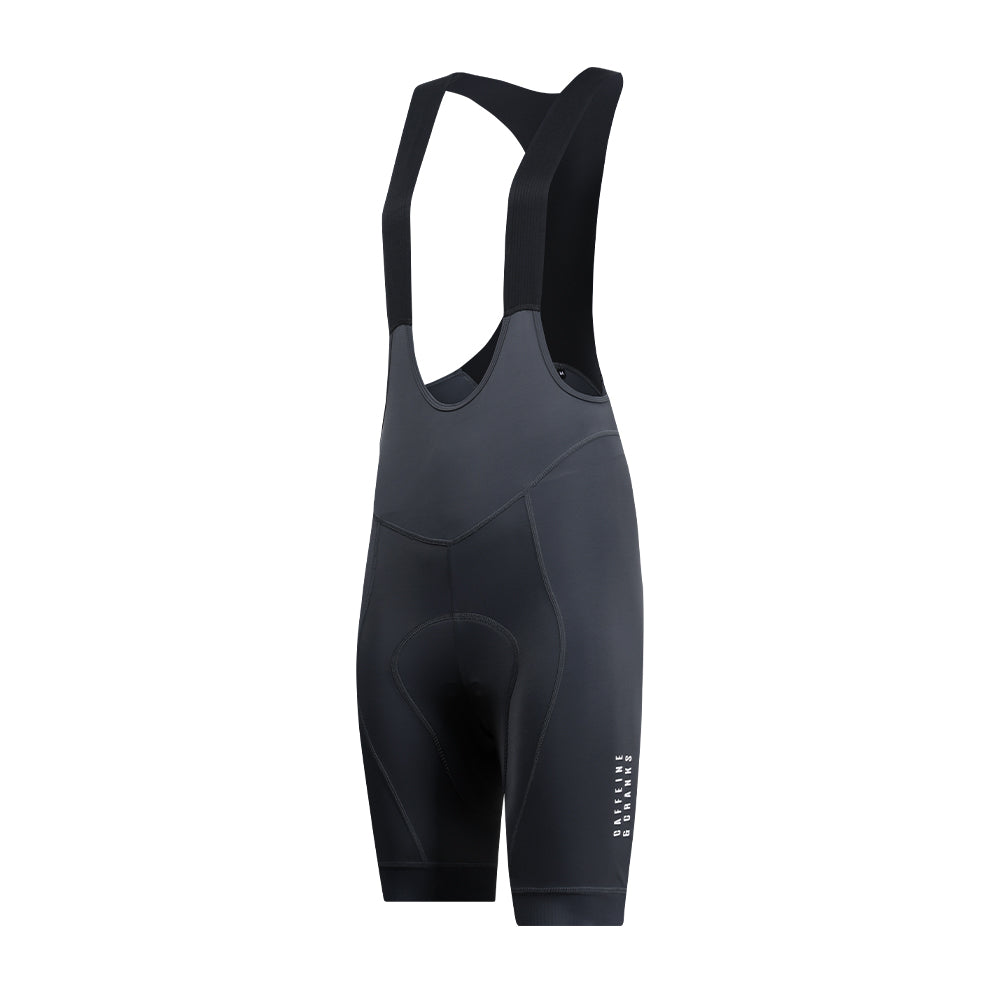
The Core Bib Shorts handle both road and gravel well. The chamois has enough density for extended time in the saddle, and the bib construction keeps everything in place when you're moving around the bike more than a road rider typically would. At $119.99, they're a solid starting point before you commit to anything more specialised.
For very long gravel days or bikepacking routes, some riders prefer a slightly higher-rise short that offers more coverage and support when spending extended time away from a comfortable saddle setup. Worth considering if you're planning routes over six hours.
Jerseys for Gravel: Pockets and Fit
Gravel jerseys differ from road jerseys in a few ways. The most practical difference is storage: you're carrying more, and the standard three-pocket rear design may not be enough for longer rides.
Some riders address this with a frame bag or saddle bag and wear standard road kit. Others prefer a jersey with additional storage built in. Both approaches work. The frame bag approach is more flexible because you can change your carrying capacity route by route without changing your kit setup.
For fit, the same logic applies as road: a race-fit jersey sits close to the body and performs better aerodynamically. Caffeine and Cranks jerseys run race fit by default. If you're doing a lot of off-road riding in hotter conditions and prefer more airflow, sizing up one gives a slightly roomier feel while still being a cycling-specific cut. Check the sizing guide to find your fit before ordering.
Layering for Variable Conditions
Gravel routes often start before the sun is fully up and end in conditions that are different from what you started in. A three-hour road ride in consistent weather is straightforward to dress for. A six-hour gravel route that starts at 7am and ends in the early afternoon can cover a 15-degree temperature range.
The practical approach is layers you can stash easily:
- A base layer under your jersey handles a cool start and stays comfortable as temperatures rise
- A light gilet or wind vest packs into a jersey pocket and adds warmth without bulk
- A rain layer does the same if conditions are uncertain
The Core Baselayer works well as the foundation layer for this kind of variable-conditions riding. It wicks fast and doesn't hold moisture, which keeps you comfortable whether you're climbing in the heat of the day or descending in the morning chill. A women's version is available in the Core Baselayer Women's.
Socks and Small Details
Longer socks (mid-calf height) are common in gravel riding, partly for protection from dust and debris on trail sections and partly because they've become the aesthetic of the discipline. Standard cycling socks work fine for most gravel routes.
Caffeine and Cranks socks are built to the cycling standard: structured, breathable, and shaped to stay in place inside a cycling shoe without bunching or sliding down on long days.
What Road Kit Works Fine on Gravel
Not everything needs to be gravel-specific. Road kit that carries across without issues:
- A quality road jersey with standard three rear pockets handles most gravel rides without problems
- Road cycling gloves work fine for all but the most technical gravel
- Road cycling helmets are suitable for most gravel riding; a visor is useful but not required
- Standard cycling socks need no adjustment for gravel
The biggest difference in a gravel kit list versus a road kit list is usually the bib shorts and the layering strategy. Everything else is mostly compatible.
Building a Gravel Kit on a Budget
If you already have road kit and are adding gravel riding, the most pragmatic approach is to ride what you have for the first few routes and identify specifically what causes problems. Most road kit works well enough on gravel that you can dial in the specifics based on experience rather than buying a whole new kit category before you've found out what you actually need.
The one thing worth buying before your first proper gravel day, if you don't already have it, is a quality pair of bib shorts. Everything else can be sorted after you've learned what your routes actually demand.
The Short Version
Gravel riding puts more demand on your kit than road riding does, particularly through the bib shorts and layering. Most road kit carries across without major issues. The specifics that matter are chamois quality for longer days, pocket capacity for self-sufficient routes, and a layering strategy for variable conditions.
Start with the bib shorts, ride the rest of your road kit for a few routes, and let the terrain tell you what else you need.
Read more

Ordering custom cycling kit for your club or team? What to know about minimums, timelines, and getting the fit right across a group.
Bib shorts vs cycling shorts in Australia: what each one is, when waistband shorts make sense, and why most riders move to bibs for longer rides.