
Bib Shorts vs Cycling Shorts: Which to Buy in Australia
Bib shorts vs cycling shorts comes down to how long you ride. Bib shorts add straps over the shoulders that hold the pad in place. Waistband shorts stay up on an elastic waistband and are quicker for a toilet stop. For most road riding over about 90 minutes, bibs are the more comfortable choice.
Padded shorts get called a lot of things in Australia, and some riders use the names interchangeably, so it helps to be clear about the two actual styles. The difference is real, and it matters for comfort on longer rides.
Bib shorts vs cycling shorts: what is the difference?
Waistband cycling shorts sit at the waist, held up by an elastic waistband, and stop at the knee. They're the older style, the one that was standard before bib shorts became the norm in performance cycling.
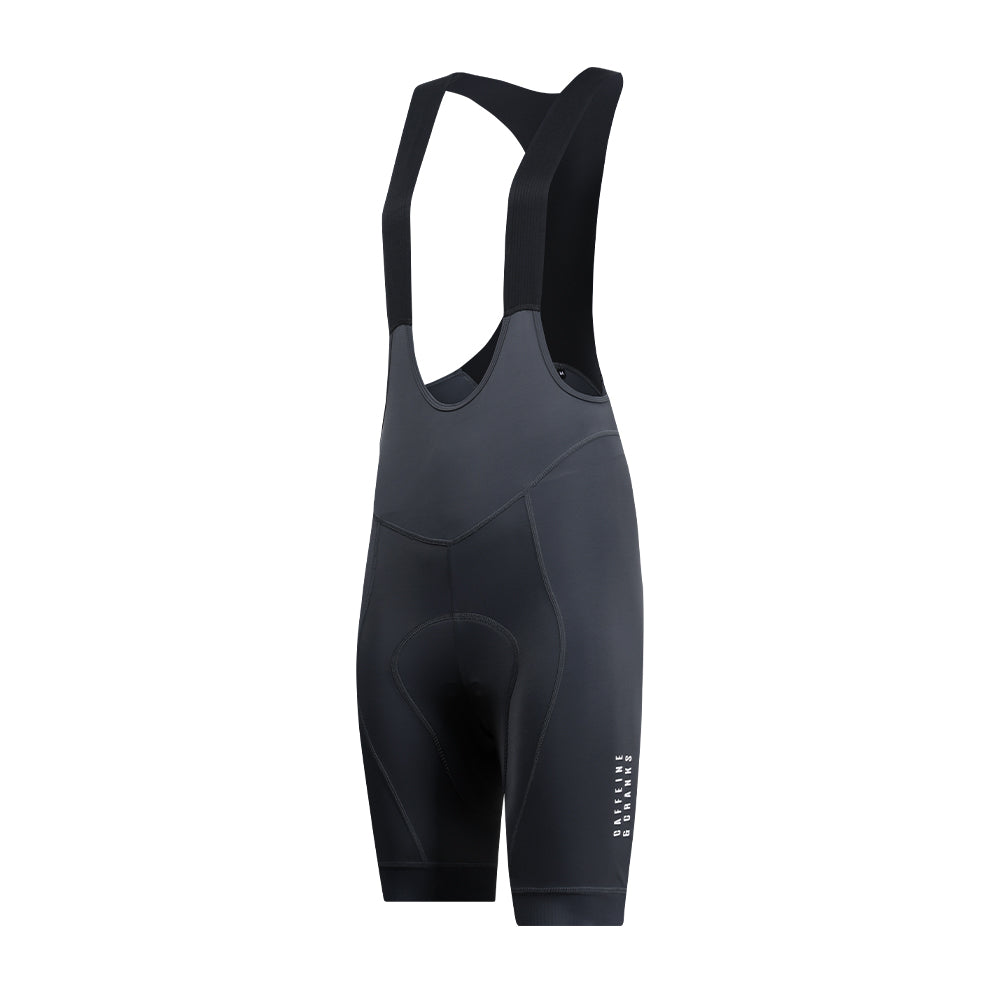
Bib shorts have the same basic construction from the waist down, but add straps that go over the shoulders. The bib holds the shorts in place and removes the need for a waistband. They're the current standard in road cycling at every level from weekend riders to professional racing.
In this guide, "bib shorts" means the over-the-shoulder version and "waistband shorts" means the style held up by elastic. Both carry a padded insert called a chamois.
The case for bib shorts
Bib shorts have largely replaced waistband shorts in road cycling for a reason. Several reasons, actually.
No waistband pressure. Waistband shorts sit at the narrowest point of the torso and create a pressure point, particularly when you're bent over the bars for extended periods. Some riders find this uncomfortable on rides over 90 minutes. The bib construction removes it entirely.
The chamois stays put. The bib holds the shorts in position, which keeps the chamois (the padded insert) where it's meant to be. With waistband shorts, particularly at the end of a long ride when you're tired and your position is less controlled, there's more opportunity for the chamois to shift. Movement in the chamois causes friction, and friction on a bike saddle causes problems.
No gap between jersey and shorts. Bib straps keep the shorts pulled up so there's no exposed skin at the lower back in the riding position. With waistband shorts, a gap can open up between the shorts and the jersey hem. That's uncomfortable and, on an Australian summer day, a reliable way to add sunburn to an already long list of riding annoyances.
The Core Bib Shorts cover the key requirements: a multi-density chamois with antibacterial properties built for 6+ hours in the saddle, laser-cut bib straps, flatlock seams, and silicone leg grippers (70mm on the men's, 45mm on the women's) that hold without leaving marks. At $119.99, they suit regular road and gravel riding. Also available in navy, mocha, ash and moss. Browse all men's cycling shorts and bib shorts or the women's range.
The case for waistband shorts
Bib shorts aren't the right choice for every situation. Waistband shorts make sense in a few specific contexts.
Toilet stops on long rides. This is the most commonly cited advantage, and it's a legitimate one. With bib shorts, stopping mid-ride means taking your jersey off, or lifting it significantly, to get the bib straps out of the way. With waistband shorts you can stop and be back on the bike in far less time. For very long events, that adds up.
Indoor training. Some riders prefer waistband shorts for spin classes and indoor sessions, mostly because they're easier to deal with in changing rooms and on an indoor bike setup.
Shorter rides and casual cycling. If you're doing 30 to 60 minute rides and comfort isn't a pressing concern, waistband shorts work fine. The advantages of bib shorts show up on longer rides, where the waistband has had more time to cause problems.
What about cargo bib shorts?
A growing category in cycling is cargo bib shorts, which add thigh pockets to the standard bib construction. They're popular in gravel riding and bikepacking, where carrying capacity matters and reaching back to jersey pockets mid-ride is awkward.
The Cargo Bib Shorts have a low-profile, high-stretch mesh pocket on each thigh, so food, phone and small tools stay within reach without taking your hands off the bars.
What to look for in chamois quality
Whatever style you go with, the chamois is the most important variable in the shorts. A low-quality chamois causes more problems than the style of waistband ever will.
A few things worth checking:
Density and thickness. A chamois needs enough density to absorb road vibration and support the sit bones without bottoming out on longer rides. Too thin and it isn't doing its job. Too thick and it starts to create its own friction issues.
Seam placement. The chamois should be seamless or have seams placed well away from friction points. Seams in the wrong place create hot spots on long rides that are hard to ignore.
Antibacterial treatment. A quality chamois has antibacterial treatment built into the pad material. It matters for hygiene on long rides and for how well the shorts hold up after repeated washing.
At the top of our range, the Pinnacle Bib Shorts use an Elastic Interface® Paris HP chamois, an Italian endurance pad that is thermal-moulded and rated for 7+ hours. For the full breakdown of pads, see our guide to padded cycling shorts and what the pad does.
Getting sizing right
Cycling shorts, whether bib or waistband, are cut closer to the body than regular athletic shorts. The chamois needs to stay in place without bunching, and the leg gripper needs to sit correctly without restricting circulation.
A size that feels slightly snug when you're standing usually feels right on the bike once you're in the riding position and the fabric has settled. A size that's clearly too large lets the chamois move, which defeats the point of having one.
Check the Caffeine and Cranks size guide before ordering. Waist and hip measurements are more reliable than your usual clothing size for cycling bottoms. Women's riders can also read what needs to be different in women's cycling shorts.
The verdict
For most road cycling, bib shorts are the better option. The comfort advantage on rides over 90 minutes is real and consistent, and the bib solves problems that waistband shorts don't.
For indoor training, shorter rides, or situations where quick toilet stops are the priority, waistband shorts are more practical.
Most regular cyclists end up with both in rotation. Start with a good pair of bib shorts and add waistband shorts later if you find you're missing them for specific situations. The chamois quality is what matters on the road. The bib shorts buyer's guide compares the tiers if you want the detail.
Bib shorts vs cycling shorts FAQ
What's the difference between bib shorts and cycling shorts?
Waistband cycling shorts are held up by elastic. Bib shorts add straps over the shoulders, which holds the pad in place and removes waistband pressure. Both have a padded insert called a chamois.
Are bib shorts better than waistband shorts?
For most riding over 90 minutes, yes. The straps keep the chamois positioned and take the pressure off your stomach. Waistband shorts make toilet stops quicker, so they suit short rides and riders who value that.
Do I wear underwear under cycling shorts?
No. The chamois is made to sit against bare skin, and underwear adds seams and holds sweat.
How much should I spend on cycling shorts in Australia?
Spend on the chamois first. Our Core Bib Shorts start at $119.99 with a multi-density pad built for 6+ hours, and Pinnacle starts at $189.99 with an Elastic Interface® Paris HP chamois for 7+ hours.
Read more
Gravel riding demands more from your kit than road cycling. Here's what to look for and where road kit falls short on dirt.
Long sleeve cycling jerseys get bundled together in most online stores like they're all doing the same job. They're not. A lightweight long sleeve for 18°C autumn mornings is a completely different...