
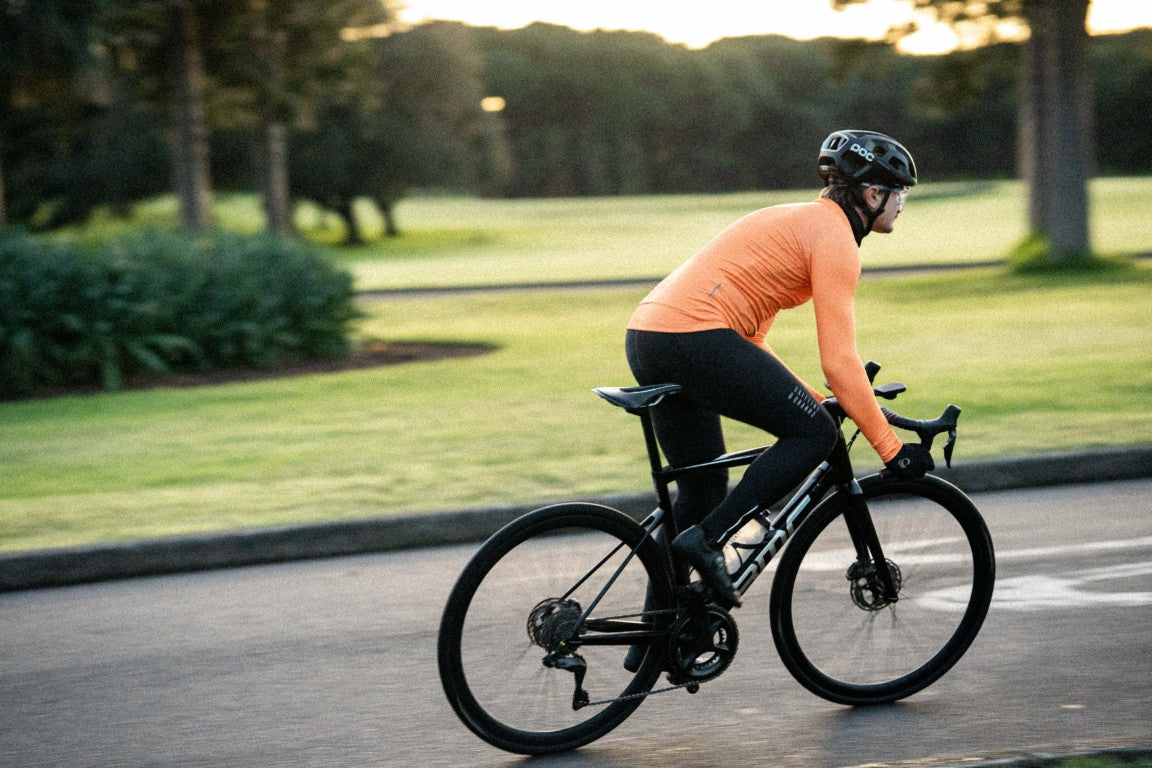
Winter Cycling Clothing Guide: What to Wear for Australian Winter Riding
Australian winter is a funny beast on the bike. The forecast says 8 degrees at 6am but the sun comes up by 7:30 and you're suddenly overheating in a climb that had you shivering twenty minutes earlier. Get the layering wrong and the ride either turns into a punishment or ends in a café with a soaking base layer and no way to warm up.
This guide covers what cycling clothing actually works for Australian winters, where riders most often get it wrong, and how to build a kit that handles the real conditions between 5°C and 15°C without buying a wardrobe's worth of gear.
The Australian winter cycling problem
The standard winter cycling advice assumes European or North American conditions. Sub-zero starts. All-day cold. Snow. That's not most of Australia. For the majority of Australian riders in Sydney, Melbourne, Canberra, Brisbane and further afield, a winter ride looks more like this:
- Departure temp: 4 to 10°C
- Mid-ride temp: 12 to 18°C after the sun gets up
- Wind chill on descents that makes the actual temperature feel lower
- Strong sun by mid-morning, even in July
The problem isn't the cold. It's the 10 to 15 degree swing across a three-hour ride. If you dress for the start, you overheat by the halfway café stop. If you dress for the mid-ride conditions, you spend the first hour miserable. Most riders solve this by owning too much kit or wearing too little and hoping.
The solution is a layering system that adapts as conditions change, built around three or four versatile pieces that work together.
The three-piece winter system that actually works
For conditions between 5°C and 15°C, which covers 95% of Australian winter riding, you need three core items: a thermal jersey, a gilet, and something for your legs. Optional fourth piece: thermal accessories for the coldest mornings.
1. A thermal jersey (the foundation)
This is the single most important winter piece. A proper thermal cycling jersey has a brushed fleece inner that traps warm air against your skin while still letting moisture escape. It's not a heavy fleece top. It's a close-fitting performance piece that sits snug like a normal summer jersey but runs 8 to 10 degrees warmer.
What to look for:
- Midweight thermal fabric rated for your temperature range (look for specs around 5 to 15°C)
- Full-length zipper so you can vent on climbs without removing the jersey
- Three rear pockets with enough room to stash a gilet or arm warmers mid-ride
- Reflective detailing for dawn and dusk visibility, which matters more in winter when you're often riding in low light at both ends
The Core Thermal Jersey is built exactly for this window. Midweight thermal lining, UPF35+ for when the sun comes out hard, reflective details for low-light rides. There's a high-vis Orange version if dawn visibility is a priority, and a women's-specific Orange fit as well.
For riders who want to go lighter and more technical, the Pinnacle Thermal Jersey uses a slightly more refined thermal fabric with a closer race fit. Same climate range, less bulk.
2. A gilet (the temperature regulator)
A gilet is the most undervalued winter piece in cycling. It weighs almost nothing, packs into a jersey pocket, and lets one jersey work across a 10 degree temperature range.
The logic: your core is where you lose the most heat on a cold morning. A windproof front panel over a thermal jersey adds 5 to 7°C of perceived warmth. But a gilet doesn't have sleeves, so when the sun comes up and you're working, it vents through the breathable back and you don't overheat. When it's warm enough, stuff it in a pocket. Done.
Look for:
- Windproof front panel (this is what does the actual work)
- Mesh or breathable back to prevent sweat buildup
- Full-length zipper so it can be removed without stopping
- Packable enough to fit in a jersey pocket
The Core Gilet ticks all of those boxes, with a women's-specific fit as well. Windproof front, breathable back, packable enough to disappear mid-ride.
3. Something for your legs
This is the split. Two legitimate approaches, depending on temperature and personal preference.
Option A: Thermal bib tights. Full-length bib tights with brushed thermal lining and an integrated chamois. One piece, warm, done. Best for consistently cold rides (under 10°C throughout) or for riders who genuinely dislike the feeling of layered legs.
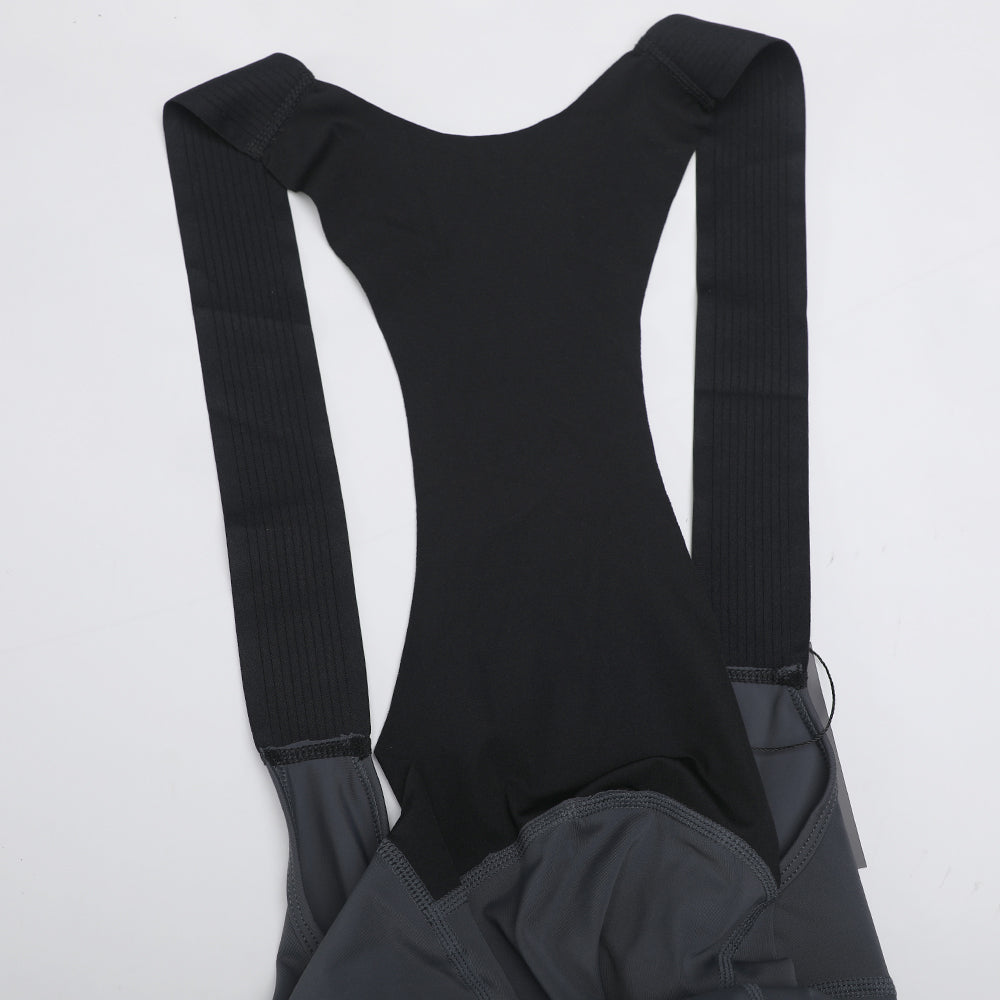
The Thermal Bib Tights have an endurance chamois and windproof front panels, built for frosty dawns and icy descents.
Option B: Normal bib shorts plus thermal leg warmers. This is more flexible. Wear your regular bib shorts, add Thermal Leg Warmers over the top. When the day warms up, peel them off and tuck them in a jersey pocket. You get the comfort of your best chamois plus warmth on demand.
Most Australian winter rides don't actually need tights. The ride starts cold but warms up fast enough that leg warmers are the smarter choice eight times out of ten. Unless you're in Canberra, Tasmania or the alpine regions, the flexible setup usually wins.
The fourth layer: thermal accessories
For early morning starts under 8°C, or for riders with poor circulation, a few small pieces make a disproportionate difference.
- Thermal arm warmers: Same logic as leg warmers. Wear a summer jersey with arm warmers when it's marginal. Peel them off when it warms up. If you're buying a single accessory, this is the one.
- Thermal neckwarmer: Massively underrated. A neckwarmer that covers your collarbones and throat makes cold descents bearable and doubles as a face covering on freezing starts.
- Winter gloves: Summer mitts don't cut it below 10°C. Full-finger thermal gloves are non-negotiable below 8°C.
- Shoe covers: Your feet cool faster than anything else on a winter ride. Neoprene shoe covers or toe warmers fix this for under $50.
Common Australian winter cycling mistakes
A few patterns that come up again and again:
Dressing for the start, not the ride. Your body generates heat within 10 minutes of hard effort. Dress for how you'll feel 20 minutes in, not how it feels standing in the driveway. If you're warm when you leave, you'll be soaking 30km later.
Wearing a waterproof as a windproof. Rain jackets trap sweat and turn your ride into a sauna. Use a windproof gilet for cold but dry conditions, save the rain jacket for genuinely wet days.
Skipping the base layer. A thin technical base under your thermal jersey adds almost no warmth but wicks sweat off your skin fast. This is the difference between feeling clammy at the café stop and feeling fresh.
Cotton anything. Cotton holds water. When you sweat in cotton, it stays wet, and wet fabric in wind is how you end up genuinely cold mid-ride. Always synthetic or merino for winter cycling.
Assuming Australian winter is mild everywhere. Canberra mornings hit below freezing. Tasmania and the alpine regions are proper cold. The Sydney beaches rarely go below 8°C. Dress for your actual location, not a national average.
What to wear at each temperature
A quick reference for building the right kit on the day:
12 to 15°C: Summer jersey, arm warmers, bib shorts. Maybe a gilet if there's wind. This is marginal winter, barely different from autumn.
8 to 12°C: Thermal jersey, bib shorts with leg warmers, gilet in the pocket for descents. Full-finger gloves. This is the Australian winter default.
4 to 8°C: Thermal jersey, thermal bib tights or bib shorts with leg warmers, gilet worn from the start. Thermal gloves. Neckwarmer. Maybe shoe covers if it's a long one.
Below 4°C: Thermal jersey plus base layer, thermal bib tights, gilet or winter jacket, heavy gloves, neckwarmer, shoe covers, possibly a thermal cap under the helmet. You're officially in Canberra winter territory.
Building your winter kit on a budget
If you're starting from nothing, the order of priority:
- Thermal jersey (the foundation, get this first)
- Gilet (the multiplier that makes every other piece work harder)
- Leg warmers or thermal bib tights (whichever fits your riding)
- Thermal gloves and neckwarmer
- Arm warmers and shoe covers (last, but surprisingly high value for the cost)
You don't need to buy everything at once. A thermal jersey plus a gilet plus leg warmers covers 80% of Australian winter riding. Add accessories as you find the gaps.
The full Men's Winter Cycling Jerseys and Women's Winter Kit collections are where to start. If you're trying to understand cycling kit fit before you buy, the sizing guide covers race fit vs relaxed and how C&C sizing runs.
A quick note on fit
Winter cycling clothing runs snug by design. A thermal jersey that's loose will flap in the wind, let cold air in at the cuffs, and ride up on descents. Race fit matters more in winter than in summer, not less.
If you're between sizes and normally size up for more room, that's fine for a summer jersey. For thermal kit, stay true to size or consider going a size smaller than you'd think. The close fit is what traps the warm air against your skin. Baggy thermal kit is just cold thermal kit.
Winter riding is the best riding
The honest take is that Australian winter cycling is better than summer cycling. The roads are quieter, the cafés are less crowded, the sunrise at 6:45am over Centennial Park or the Yarra or the Merri Creek is genuinely something. The right kit is what makes the difference between "I'll skip today, too cold" and "let's go, it's perfect."
Get the three-piece system sorted and the rest of winter looks after itself.
Read more
Long sleeve cycling jerseys get bundled together in most online stores like they're all doing the same job. They're not. A lightweight long sleeve for 18°C autumn mornings is a completely different...
Bib tights or leg warmers for Australian winter? Leg warmers suit our temperature swings better. Here's when tights are still the right call.