
Most winter kit problems in Australia come down to one gap. A jersey on its own is too cold at 7am. A proper winter jacket is too warm by 9. The ride is three hours long and the temperature climbs fifteen degrees while you're out in it.
A cycling gilet exists for exactly that gap, and it's probably the most underrated piece of kit in the winter drawer.
What a cycling gilet actually does
A gilet is a sleeveless vest that blocks wind across your chest and stomach while leaving your back and arms open to breathe. That combination sounds odd until you understand where cold actually comes from on a bike.
Riding at 30km/h into still air creates a 30km/h headwind. All of it hits your front. Your chest, stomach and the tops of your thighs take the entire wind load, while your back sits in relatively still air behind you.
So the cold you feel on a winter ride isn't evenly distributed. It's almost entirely a front-of-body problem. A gilet treats it as one.
Cover the front, leave the back breathing, and you've dealt with the wind chill without trapping the heat your body generates once you're working. That's the whole idea. It's a simple piece of kit, and the simplicity is why it works.
The temperature range where a gilet makes sense
Roughly 5 to 15 degrees is the useful window. That covers most Australian winter mornings in Sydney, Melbourne, Brisbane, Adelaide and Perth, and a decent chunk of autumn and spring on either side.
Under 5 degrees, a gilet over a jersey isn't enough on its own. You want a thermal jersey underneath it, or a proper winter jacket.
Over 15, you'll be unzipping it within twenty minutes and stuffing it in a pocket, which is fine, and is exactly what it's built to allow.
The reason this range is so useful in Australia is that our winter rides live in it. A July start in Sydney at 9 degrees that hits 19 by late morning is a normal winter ride, not an unusual one. The gilet handles the first hour and then disappears into a jersey pocket for the rest.
Why the mesh back matters more than the windproof front
The windproof front is the obvious part. Every gilet has one. The back panel is where cheap gilets fall down.
Put a windproof panel across the back as well and you've made a sealed vest. Your body heat has nowhere to go once you start climbing. Twenty minutes into a decent effort you're sweating into a jersey with a plastic bag over it, and the moment you crest the climb and start descending, that trapped sweat turns cold.
That's the classic winter riding mistake: overdressing on the way up and paying for it on the way down.
A breathable mesh back means the heat you generate on a climb escapes instead of pooling. You stay dry through the effort, which is what actually keeps you warm on the descent afterwards. Dry and slightly underdressed beats damp and well insulated every time.
If you're weighing up a gilet, the back panel is the spec worth checking first.
Gilet, jacket, or just another layer
A full winter jacket is warmer and more weatherproof. If you're riding Canberra in July at 2 degrees, or you're out in genuine rain, that's the tool for the job.
The trade-off is versatility. A jacket commits you to the conditions you left the house in. There's no way to shed it halfway through a ride and keep going comfortably, and most jackets don't pack down small enough to carry once you've taken them off.
A gilet is the opposite trade. Less outright warmth, far more adaptability. You can put it on at the top of a climb, take it off at the café, and carry it in a pocket the rest of the way without noticing it's there.
Layering a second jersey instead is the third option, and it mostly doesn't work. Jersey fabric is built to breathe, not to block wind. Two breathable layers still let the wind through to your skin. You end up with more bulk and not much more warmth.
For a fuller breakdown of how the layers stack together across different temperatures, our layering guide for Australian conditions works through it properly.
What to look for in a cycling gilet
Rear pockets. A lot of gilets skip them, which means once you've zipped it over your jersey you can't reach your own pockets. That's a genuinely annoying design failure on a three-hour ride. Look for a gilet with its own pockets, or accept you'll be unzipping every time you want a gel.
A full-length zip rather than a quarter zip. You want to be able to get it off without removing your helmet and sunglasses, and you want to be able to vent it gradually as the morning warms up.
A cut that follows the riding position. A gilet that fits well standing up will flap at speed if it wasn't cut for the bars. Flapping fabric is noisy, slow, and a sign the cut is wrong.
Reflective detail. Winter riding in Australia means early starts and dark finishes. This costs the manufacturer almost nothing and matters more than most riders think.
The Core Gilet
The Core Gilet covers the 5 to 15 degree range with windproof front panels and a breathable mesh back, which is the split described above.
It has a full-length YKK zip and three oversized reinforced back pockets, so you're not locked out of your storage when you're wearing it. Reflective details are built in for dawn starts and low-light finishes. The cut is close without being restrictive, so it sits over a jersey without adding bulk through the shoulders.
It's $119.99 across XS to 3XL, in Shadow, Signal and Graphite for men and women.
Sizing
Our gilets follow the same race cut as the rest of the range. True to size means snug and aero in the riding position, sitting close to the body without flapping at speed.
Size up one if you plan to wear it over a thermal jersey rather than a standard one, or if you'd rather have a bit more room through the torso on longer rides. That's a legitimate preference, not a compromise. Some riders just don't want compression on a café spin.
If you're between sizes and layering underneath, go up. The size guide has the measurements.
Where it fits in the rest of the kit
A gilet works hardest alongside the other variable pieces. Arm warmers and a gilet over a short-sleeve jersey covers an enormous range of conditions from one setup, and packs down to almost nothing when the day warms up.
Pair it with a base layer underneath and you've got a system that handles a 10-degree start and a 20-degree finish without stopping to change anything except unzipping.
That adaptability is the point. Australian winter riding isn't about surviving cold. It's about handling a temperature swing that would be unusual anywhere else, and doing it without carrying half your wardrobe.
The full range sits in winter kit, and there's more on building a complete setup in our winter cycling clothing guide.
Read more
Winter cycling gloves in Australia sit in a narrow window. Here's the 5 to 12 degree range where they earn their place, and when to leave them home.
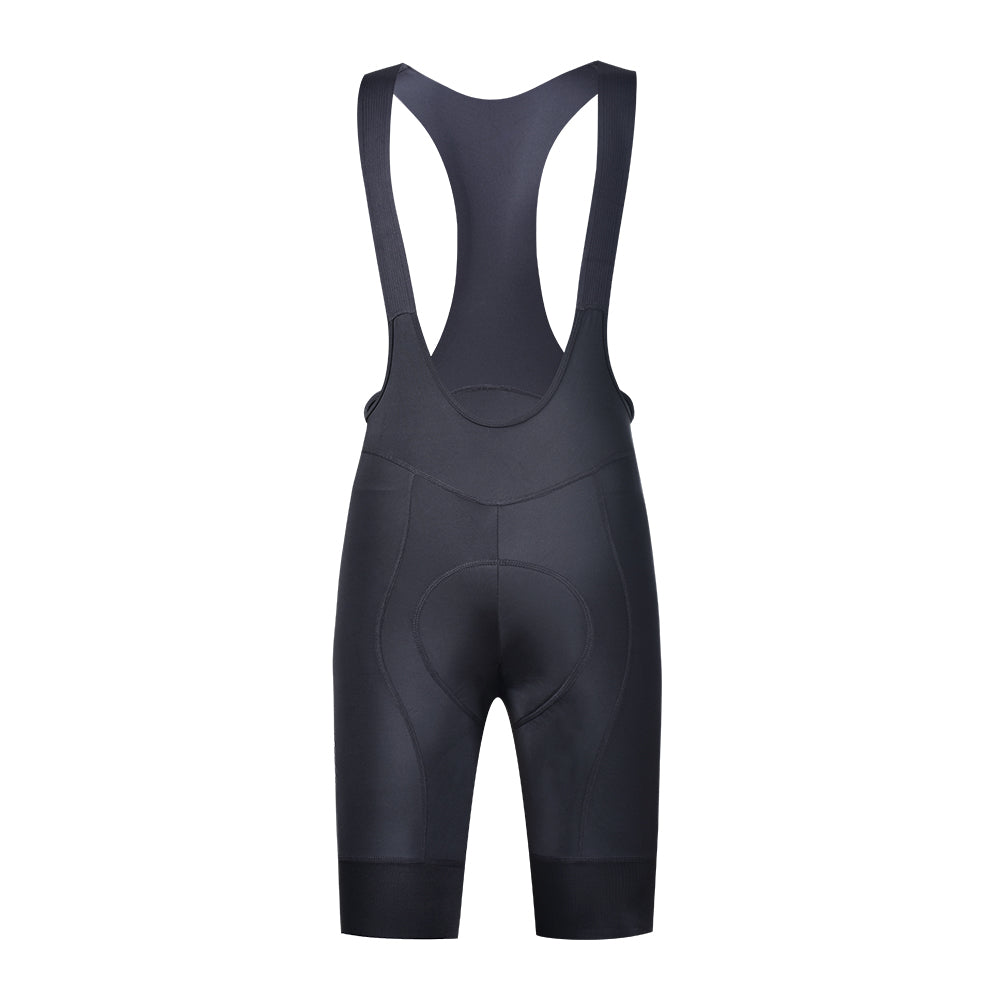
Padded cycling shorts in Australia explained: what the chamois does, bibs vs knicks, and how to match the pad to your ride length before you buy.