
There's a specific kind of cold that ruins the first twenty minutes of a winter ride. Not dangerous cold. Just numb enough that you're not confident grabbing the brakes into the first roundabout, and you spend the opening kilometres shaking out one hand at a time while trying to hold a wheel.
Winter cycling gloves fix that. The catch is that plenty of riders buy the wrong ones, because most glove advice was written for winters Australia doesn't have.
The temperature window where winter cycling gloves earn their place
Australian winter riding sits in a narrow band. Sydney mornings in July run around 8 to 12 degrees. Melbourne and Adelaide sit a touch lower. Canberra and the Southern Tablelands get genuinely cold, and if you ride there you already know it.
For most riders in most capital cities, the useful range is roughly 5 to 12 degrees. That's the window where bare hands stop being comfortable but a heavy insulated glove becomes a liability.
Below 5 degrees you want something more substantial with real insulation. Above 13 or so, most riders go bare or reach for a mitt, and anything warmer just turns into a sweat problem.
That range matters because it decides the glove weight you should be buying. Get it wrong in either direction and you'll stop wearing them.
Why riders end up with gloves that are too warm
Walk into most bike shops in June and the winter glove wall is dominated by heavy options. Thick insulation, windproof membranes, sometimes a lobster-claw split. These exist because they sell well in genuinely cold markets, and because a thick glove looks like it solves a cold-hands problem.
Wear one on a 10-degree Sydney morning and you'll find the actual failure mode within half an hour. Your hands get warm, then they sweat, then the sweat has nowhere to go. By the time you're an hour in, you've got damp hands inside an insulated glove, which is colder than bare hands would have been.
The second problem is bar feel. A thick glove puts a layer of padding and insulation between your fingers and the levers. Shifting gets vague. Braking gets less precise. On a familiar training loop that's an annoyance. Descending a road you don't know in the wet, it's worse than that.
Most Australian riders don't need a glove that handles minus temperatures. They need something that takes the edge off a cool morning and then gets out of the way.
Full finger or half finger for Australian winter
Half-finger mitts are a summer product doing winter duty. They'll cover your palms, but your fingertips are the part that goes numb first, and they're the part doing the braking and shifting.
For anything under about 14 degrees, full finger is the answer. The coverage matters most on descents, where wind chill does the real damage. You can be perfectly comfortable climbing at 10 degrees and genuinely cold on the way back down the same road at 50km/h.
This is the same logic behind thermal arm warmers and gilets. Winter kit in Australia isn't about surviving extreme cold. It's about handling a 15-degree swing between the start of a ride and the middle of it.
What to look for in winter cycling gloves
A few things separate a glove you'll actually wear from one that lives in the bottom of the kit drawer.
Fit through the knuckles. A glove that bunches when you close your hand on the hoods will annoy you every single ride. It should follow the shape of your hand in the riding position, not flat on a table.
Stretch that moves with your grip. You change hand position constantly: hoods, drops, tops, out of the saddle. A glove with no give pulls against you every time you move.
Enough warmth, not maximum warmth. A brushed inner layer traps enough air to keep the numbness away without turning your hands into a sauna at tempo.
Packability. Australian winter rides warm up. If the gloves don't fit in a jersey pocket once the sun's properly up, you'll end up riding with them on longer than you want to.
No unnecessary padding. Gel padding is a road-buzz solution, not a warmth solution. It adds bulk exactly where you need bar feel.
The C&C option
The Core Winter Gloves were built specifically for that 5 to 12 degree window rather than for deep cold. Full-finger coverage in a brushed thermal stretch fabric, cut slim so the bar feel stays clean through the glove.
There's no padding and no bulk. Four-way stretch construction means they move with your grip through cornering and gear changes instead of pulling against your hand. They're light enough to stash in a jersey pocket once the temperature climbs, which in practice happens most rides between now and September.
They're $21.99 in S through XL. Sizing runs true: measure your hand circumference at the knuckles, excluding the thumb. S covers 17 to 19cm, M 19 to 21cm, L 21 to 23cm, XL 23 to 25cm. Between sizes, go up. A slightly roomy glove rides better than one that's tight across the knuckles.
If you ride Canberra in July, or you're out before dawn regularly, these won't be enough on the coldest mornings. That's an honest limitation rather than a hedge. They're built for the conditions most Australian riders actually face most of the time.
How gloves fit into the rest of your winter kit
Gloves are the cheapest fix in winter cycling, and they're usually the last thing riders buy. That order is backwards.
Cold hands affect your control of the bike in a way that cold legs don't. You can ride perfectly well with slightly chilly quads. You can't shift confidently with numb fingers. If you're building a winter setup from scratch, gloves and a decent base layer do more for ride quality per dollar than almost anything else.
The full picture works something like this. A base layer handles moisture management next to the skin. A thermal jersey or a jersey plus gilet handles your core. Arm and leg warmers cover the variable bits. Gloves handle the extremities.
We've broken the whole system down properly in our winter cycling clothing guide, including where the temperature thresholds sit for each layer.
When you can skip them
Plenty of rides don't need gloves at all. If you're starting at 9am in Brisbane in August, or riding a short flat loop where you never build up descent speed, bare hands are fine.
The rides where gloves matter are the early starts, the bunch rides that leave before sunrise, and anything with a long descent in it. If your ride includes a climb followed by a proper descent, take the gloves even if the start temperature feels mild. The bottom of that descent is where you'll want them.
You can find the full range in gloves and warmers, or see the complete winter kit range if you're putting a setup together.
Winter riding in Australia is short. There's maybe six weeks left of it this year. Getting your hands sorted is a $22 problem, and it's the difference between enjoying the first hour of a cold ride and just tolerating it.
Read more
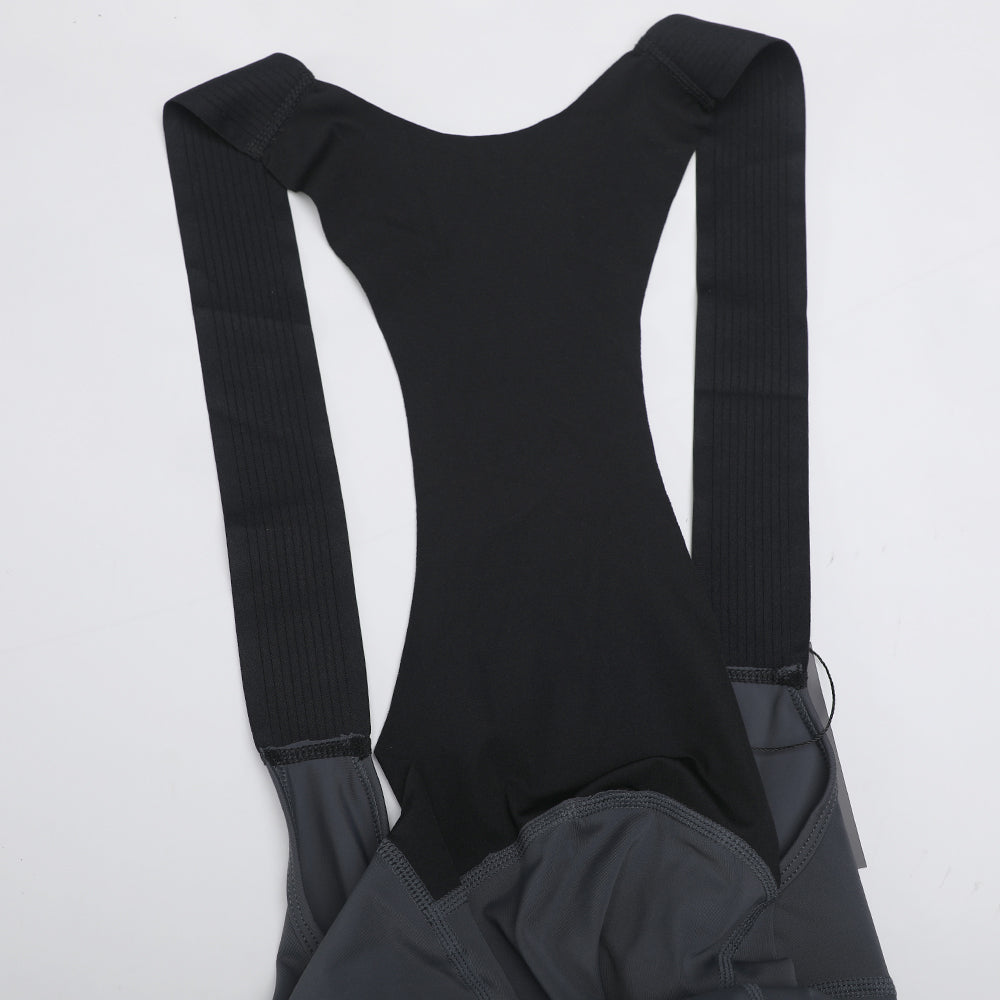
Bib tights or leg warmers for Australian winter? Leg warmers suit our temperature swings better. Here's when tights are still the right call.
A cycling gilet covers the gap between jersey and jacket. Here's the 5 to 15 degree range where it works, and why the mesh back matters most.